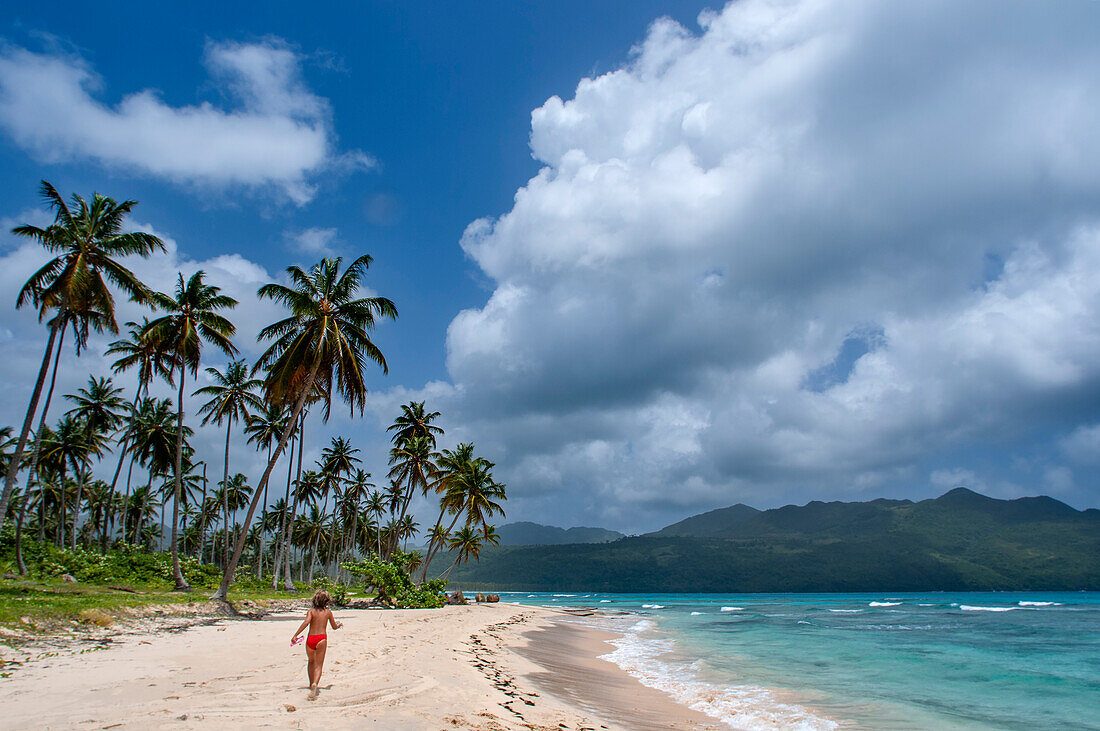
Playa Bonita
10 min drive
This beach sits to the west and offers a quieter atmosphere, making it a natural follow-up for those seeking a change of scenery after spending time in the town center.

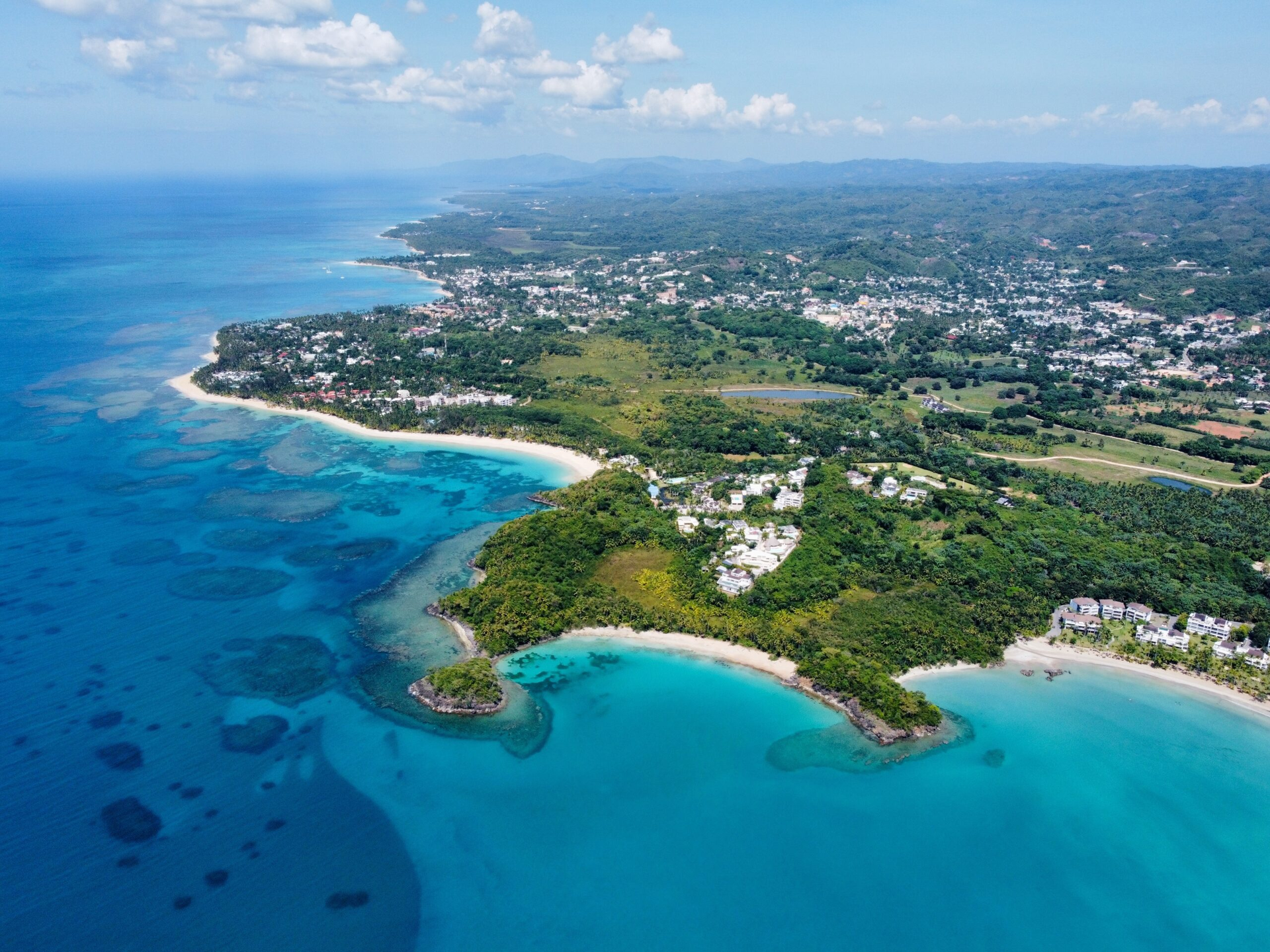
Las Terrenas sits on the northern coastline of the Samaná Peninsula, facing the Atlantic Ocean roughly 20 kilometers from the town of Sánchez and 245 kilometers northeast of Santo Domingo. The town occupies a narrow coastal strip between forested hills and a series of palm-lined beaches, making it geographically distinct from the peninsula's southern settlements. This guide maps its position, explains the surrounding geography, and clarifies the routes that connect it to the rest of the Dominican Republic.
Quick answer
Las Terrenas is located on the northern coast of the Samaná Peninsula in the northeastern Dominican Republic, directly facing the Atlantic Ocean. The town lies approximately 20 kilometers east of Sánchez and 245 kilometers from Santo Domingo, positioned between coastal mountains and a stretch of beaches that runs roughly 15 kilometers from Punta Popy in the west to Playa Cosón in the east.
The Samaná Peninsula extends like a crooked finger into the Atlantic, and Las Terrenas occupies the most accessible stretch of its northern shore. Unlike the capital of Santa Bárbara de Samaná, which faces the sheltered southern bay, this town meets the open ocean head-on, a geographic fact that shaped both its climate and its late arrival on the tourism map. The settlement sits at 19.3 degrees north latitude and 69.5 degrees west longitude, pressed between the Cordillera de Samaná mountain range to the south and a coastline that alternates between white sand and coral rock. The terrain rises steeply inland, meaning most development clusters within a narrow band no more than two kilometers deep. The main commercial corridor, Calle Principal, runs parallel to the shore and connects the older Dominican center near Pueblo de los Pescadores with the more international district around Playa Bonita. Access requires crossing the peninsula itself. The most common route from Santo Domingo follows Highway 7 northeast to Sánchez, then cuts across the spine of the peninsula via Highway 133, a winding mountain road that climbs to 400 meters before descending to the coast. The drive takes roughly three and a half hours under normal conditions. Travelers arriving from the east, including those landing at El Catey International Airport near Nagua, use Highway 5 west to Sánchez before taking the same mountain crossing. No coastal road connects Las Terrenas directly to the capital of Samaná; the mountains force all traffic inland. The town's position on the Atlantic side means year-round surf and steady trade winds, conditions that differ sharply from the calmer waters of Samaná Bay. This exposure also influences weather patterns—afternoon clouds roll in more frequently here than on the southern peninsula, and the dry season, while real, never reaches the aridity of the southwest coast. The geography of Las Terrenas, in short, is a product of its Atlantic edge: open, breezy, and defined by the narrow margin between mountain and sea.
“The settlement sits pressed between the Cordillera de Samaná mountain range and a coastline that alternates between white sand and coral rock.”
Las Terrenas is situated on the northern coast of the Samaná Peninsula in the Dominican Republic. The most practical approach for international travelers is via El Catey International Airport (AZS), followed by a drive along the Boulevard Turístico del Atlántico.
Highway 5 to Boulevard Turístico del Atlántico
Caribe Tours or Expreso Bávaro to Samaná town then taxi
Private transfer from Santo Domingo (SDQ) via Autopista del Nordeste (Route 7)
For optimal travel, arrive within the 08:00–17:00 window to ensure clear visibility on the coastal roads. Parking is widely available in the town center, providing a central base to start your exploration.
Las Terrenas is a public town and beach destination, providing continuous access for visitors throughout the week.
Las Terrenas is a public town and beach destination, meaning there are no entry fees required to access the area. Visitors can explore the streets and coastline without purchasing admission tickets.
Verdict: An adult pays 0 DOP for standard access to the town, with costs only arising from optional private services like parking or equipment rentals.
The location of Las Terrenas serves as a central hub for exploring the diverse landscapes of the Samaná Peninsula. Integrating these nearby natural attractions allows visitors to transition seamlessly from town activities to coastal exploration.
10 min drive
This beach sits to the west and offers a quieter atmosphere, making it a natural follow-up for those seeking a change of scenery after spending time in the town center.
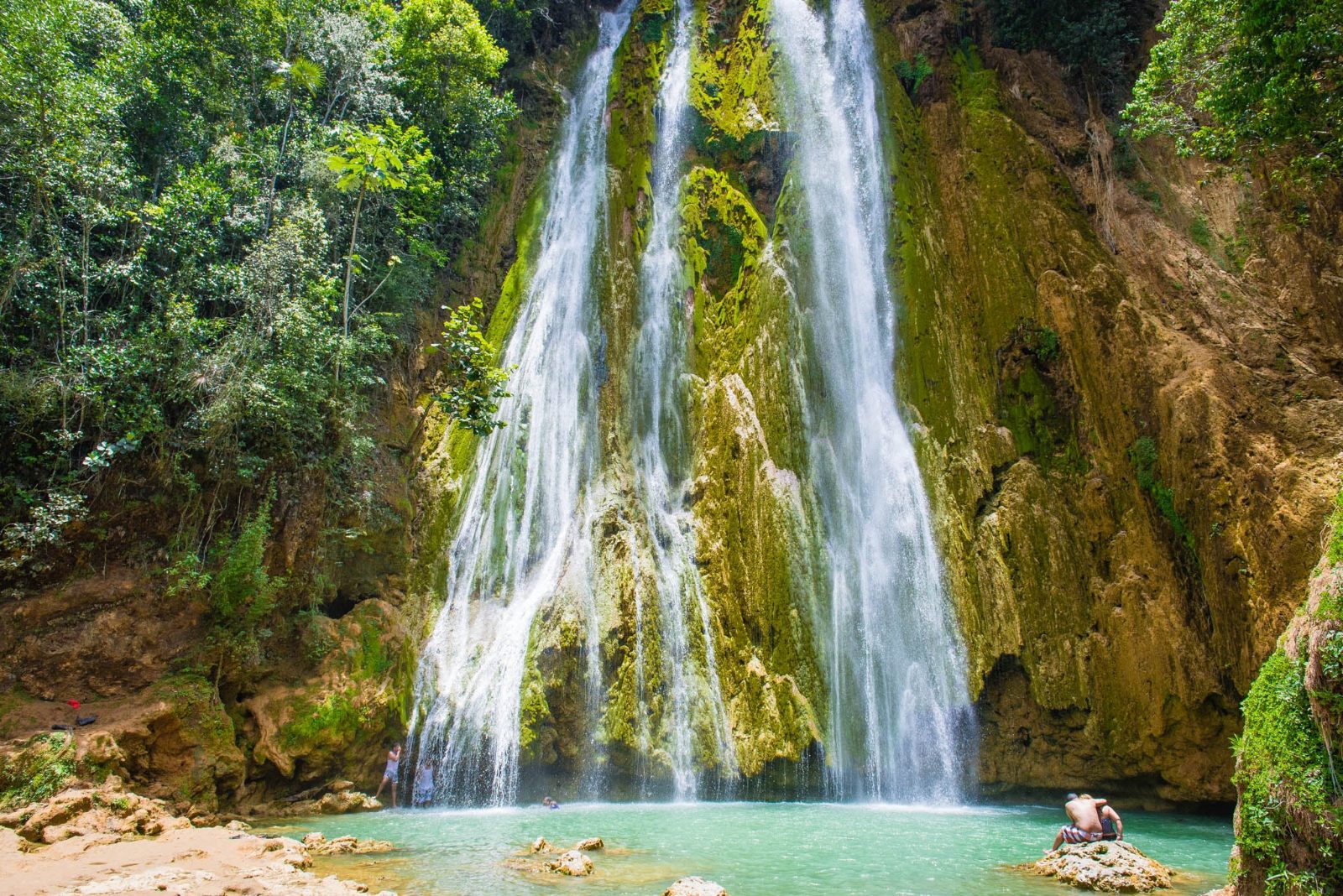
30 min drive
This waterfall is accessible via inland routes, providing a contrast to the coastal environment of Las Terrenas for a comprehensive peninsula tour.
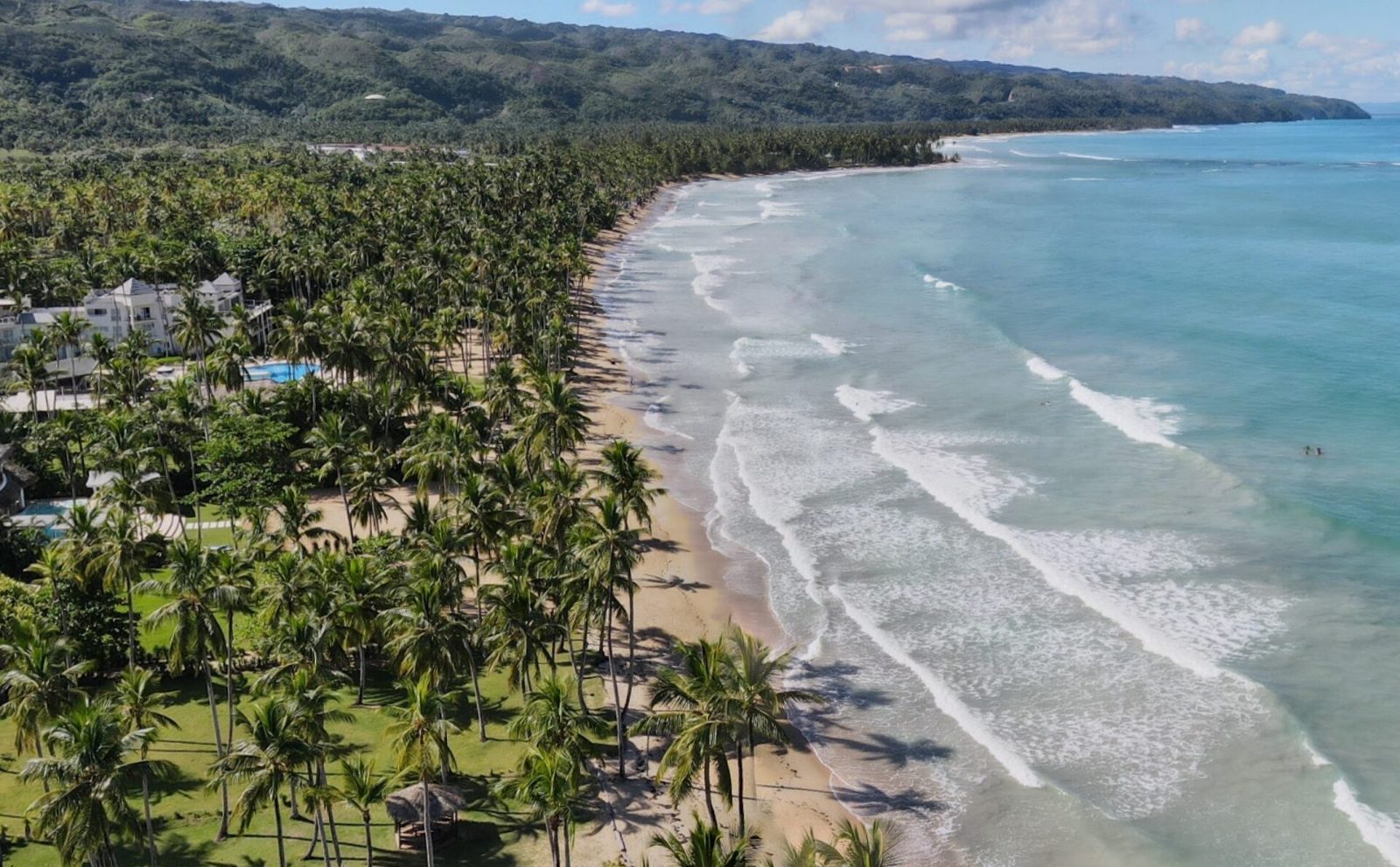
15 min drive
Located along the coastline, this expansive beach provides a spacious setting that complements the more compact town beaches with its long stretches of sand.
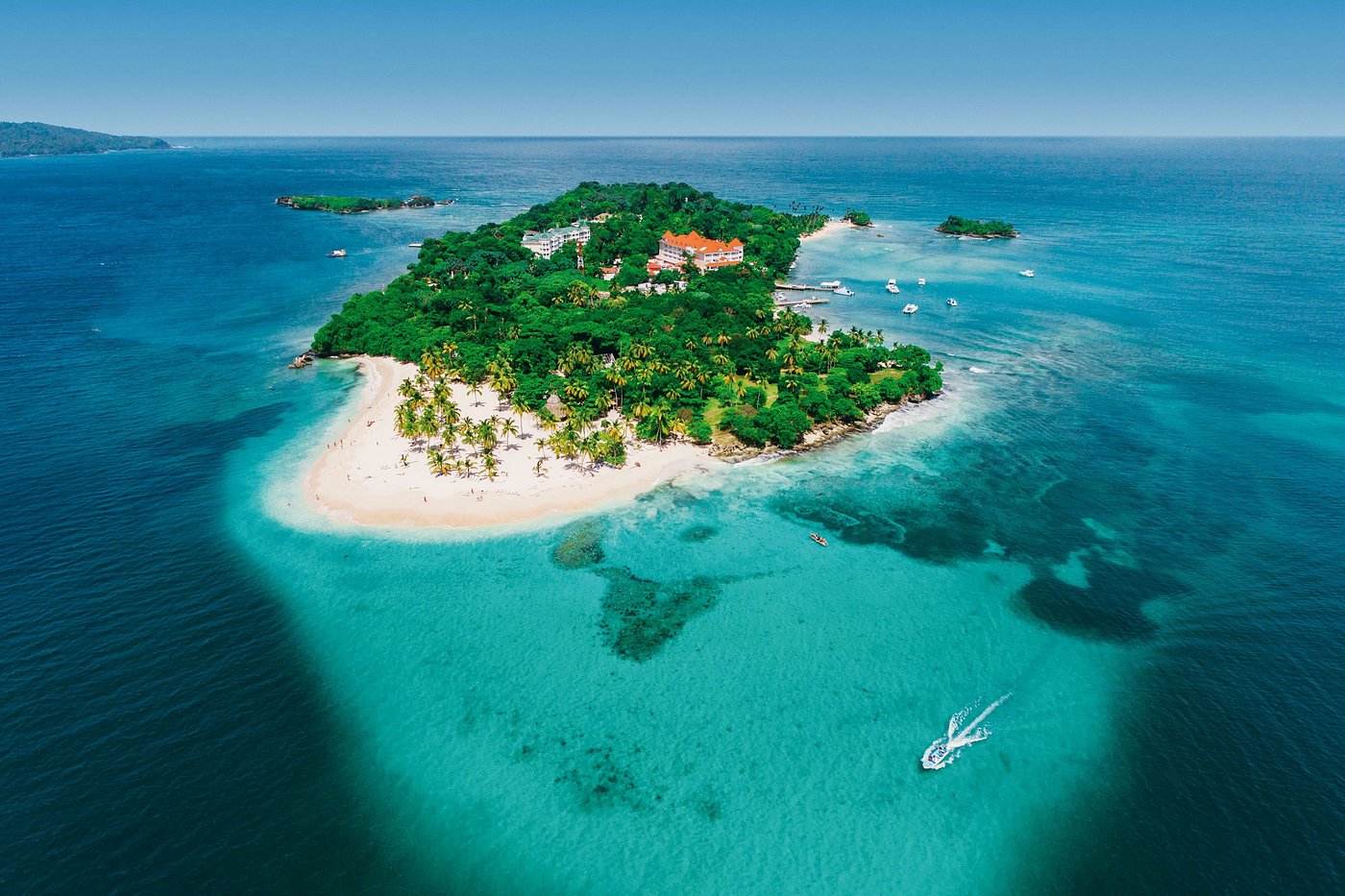
60 min drive
While further away, this islet is a significant coastal point of interest in Samaná that pairs with a regional itinerary for those wishing to explore beyond the immediate town vicinity.
Everything you need to know about where is las terrenas located
Las Terrenas is located on the northern coast of the Samaná Peninsula in the Dominican Republic. It serves as a central hub for visitors exploring the Caribbean coastline and surrounding lush tropical terrain.
To determine where is Las Terrenas located, look toward the northeastern part of the Samaná province. It is situated directly along the Atlantic Ocean, making it a prominent coastal destination for travelers.
The best arrival window for activities is 08:00–17:00. This timeframe provides optimal daylight for beach exploration and navigating the town before evening crowds arrive.
There is no entrance fee, as the town and public beach areas are free to access. Please note that the cost of 0 DOP applies to these public spaces.
When considering where is Las Terrenas located, visitors often combine their arrival with local transportation services. Planning your itinerary around the daylight hours ensures you can see landmarks like Playa Bonita and Coson Beach effectively.
Yes, the town layout is accessible for families and individuals looking to enjoy the seaside atmosphere. The infrastructure allows for easy movement between local boutiques, restaurants, and the shoreline.
The geography of the peninsula offers diverse landscapes, including rugged mountain trails and coastal roads. Many visitors choose an ATV tour to navigate these varied terrains, providing a unique way to see the region.