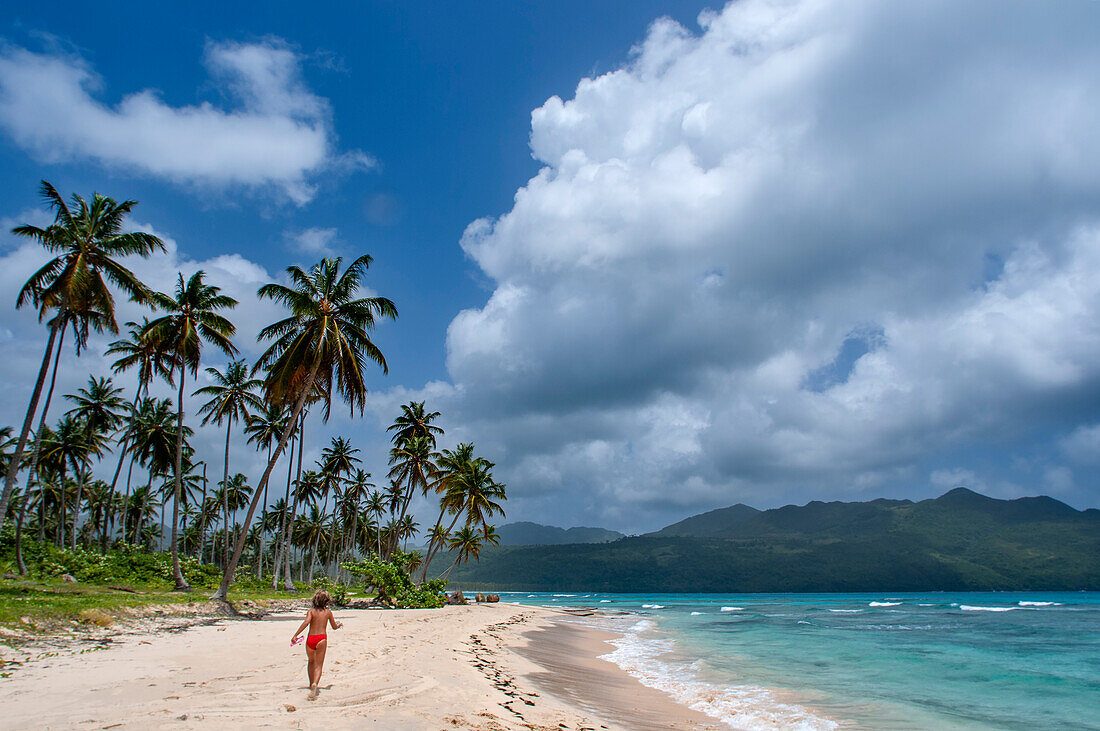
Playa Bonita
15 min drive
This beach offers calm waters and palm-lined shores, providing a quieter setting for swimming after an active morning in town.

Las Terrenas sits on the northern coast of the Samaná Peninsula, accessible by road from two major gateways. The town has no entrance fee and welcomes visitors year-round. Understanding the mountain routes and daylight arrival windows makes the journey straightforward.
Quick answer
Reaching Las Terrenas requires ground transport from either Santo Domingo or Puerto Plata, as the town has no commercial airport. The drive from Santo Domingo takes approximately 2.5 to 3 hours via Highway 7 and the Boulevard Turístico del Atlántico. Plan to arrive between 08:00 and 18:00 when daylight provides safer navigation of the mountain passes and better visibility on coastal curves. The town itself requires no entrance fee.
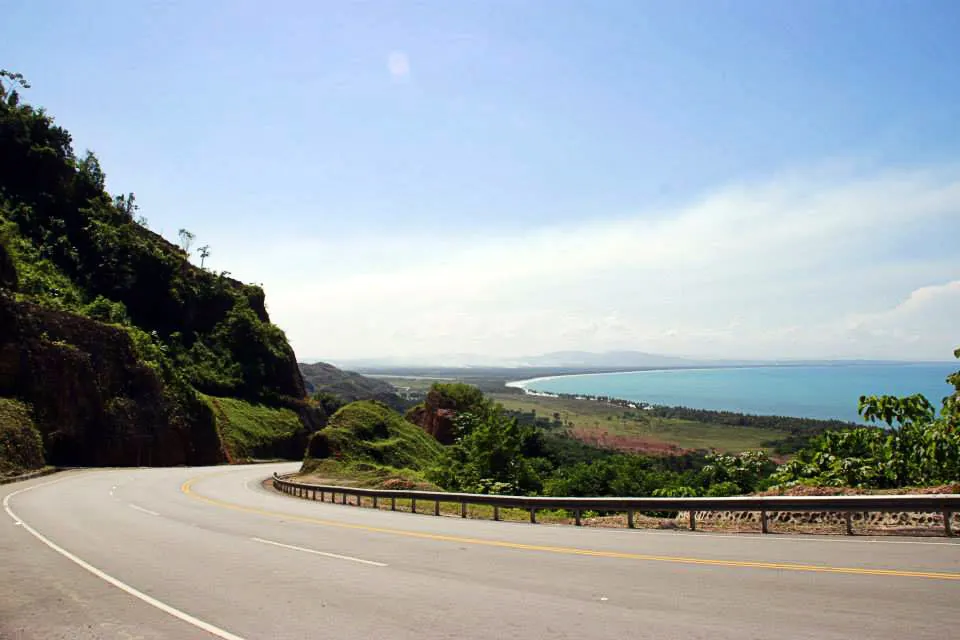
The Samaná Peninsula remains one of the Dominican Republic's most geographically isolated regions, a fact that shaped Las Terrenas into a quieter alternative to the southern resort corridors. Two highways converge on this north-coast settlement, both crossing the Cordillera Septentrional mountain range that runs like a spine down the peninsula. Most travelers departing Santo Domingo follow Highway 7 northeast through Nagua, then turn onto the Boulevard Turístico del Atlántico—a winding mountain road that climbs steeply before descending into Las Terrenas. The route demands attention: hairpin turns, occasional livestock, and steep gradients require daylight navigation. From Puerto Plata, the western approach via Nagua covers similar terrain but adds an hour to the journey. Private transfers and shared shuttles operate both routes daily, with many visitors booking transport that includes the mountain crossing as part of a wider Samaná itinerary. The town sprawls along several kilometers of coastline without formal boundaries or gated access. Playa Las Terrenas anchors the main strip, where restaurants and dive shops face the Atlantic. Smaller beaches—Playa Bonita, Playa Cosón—extend east and west, each reachable by unpaved spur roads that branch from the main coastal highway. No tolls, checkpoints, or admission charges apply. The settlement functions as a public town with open roads, making arrival straightforward once the mountain descent is complete. Arrival timing matters more than season. Morning and early afternoon provide the clearest views of road edges and oncoming traffic on mountain switchbacks. Evening drives risk reduced visibility on unlit stretches where the highway narrows. Most ground transport services schedule arrivals before 18:00 to avoid these conditions, a practice worth following whether driving independently or booking a transfer.
“The Boulevard Turístico climbs steeply through the Cordillera Septentrional before descending into the coastal lowlands where Las Terrenas begins.”
Las Terrenas is located on the northern coast of the Samaná Peninsula. The most common approach involves traveling by road from Santo Domingo via the Autopista del Nordeste (Route 7).
Autopista del Nordeste (Route 7) from Santo Domingo
Expreso Samaná or Caribe Tours to Las Terrenas
Private transfer from Las Américas International Airport (SDQ)
For the safest and most efficient transit, coordinate your travel within the recommended window of 08:00–18:00 to ensure better visibility on mountain roads.
The best arrival window is 08:00–18:00, as daylight hours provide safer driving conditions on mountain roads and better visibility. Planning your journey within these hours helps ensure you navigate the Samaná road network when visibility is optimal.
Warm, dry; 22°C to 29°C. This period coincides with peak whale-watching season in Samaná Bay.
Warm, potential rain; 23°C to 30°C. These transition months offer a balance between pleasant weather and lower visitor numbers.
Hot, humid; 24°C to 31°C. Hurricane season requires monitoring, though brief rain showers are common and often pass quickly.
Verdict: The best time to travel is during daylight hours between 08:00 and 18:00, ideally during the shoulder months of April, May, or November to balance weather and crowd levels.
Las Terrenas serves as a central hub for exploring the Samaná Peninsula. Combining your visit with these nearby locations allows for a diverse itinerary ranging from coastal landscapes to forest excursions.
15 min drive
This beach offers calm waters and palm-lined shores, providing a quieter setting for swimming after an active morning in town.
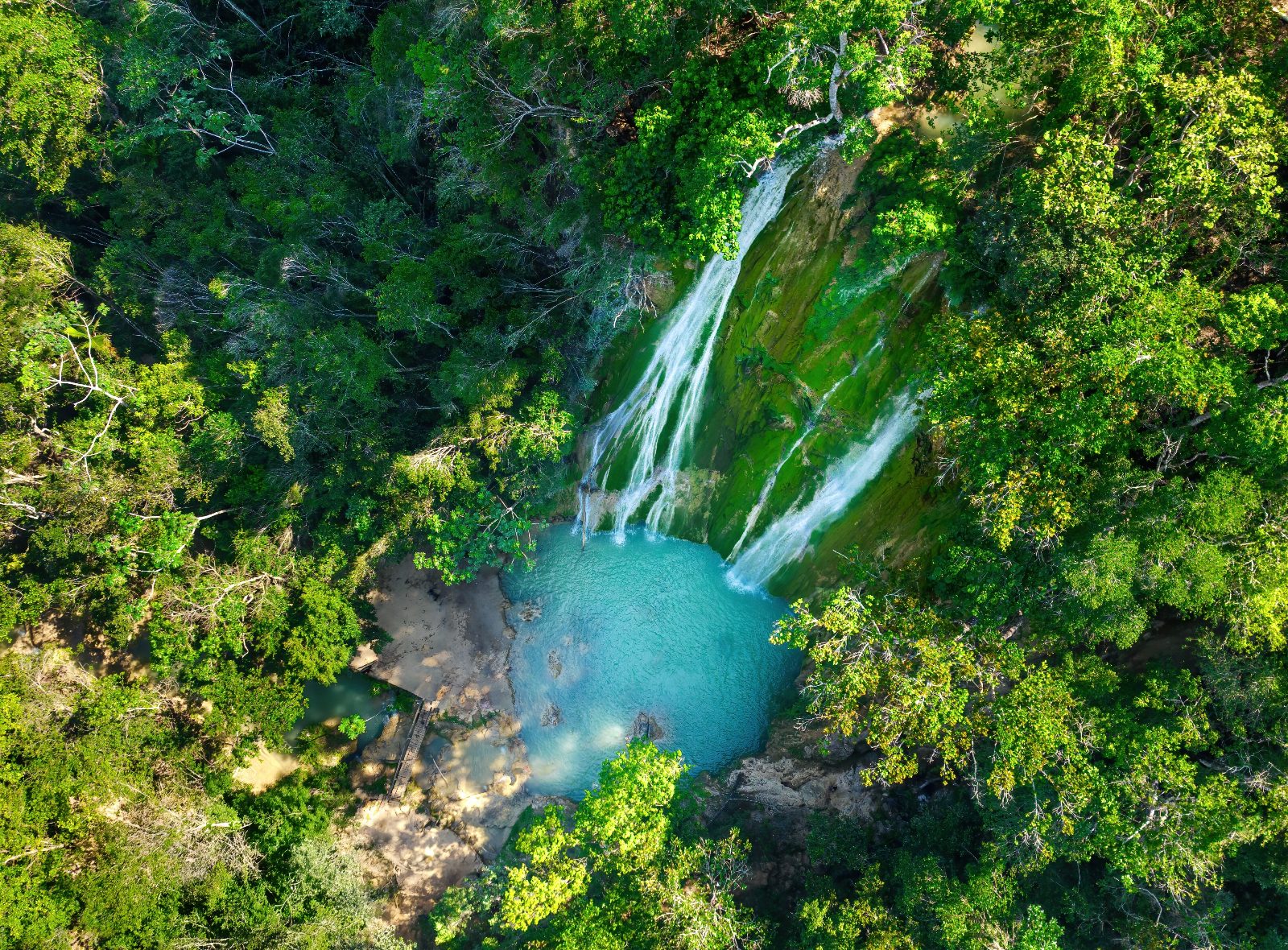
30 min drive
This waterfall is a popular destination for those interested in interior landscapes and can be reached via trail or horseback.
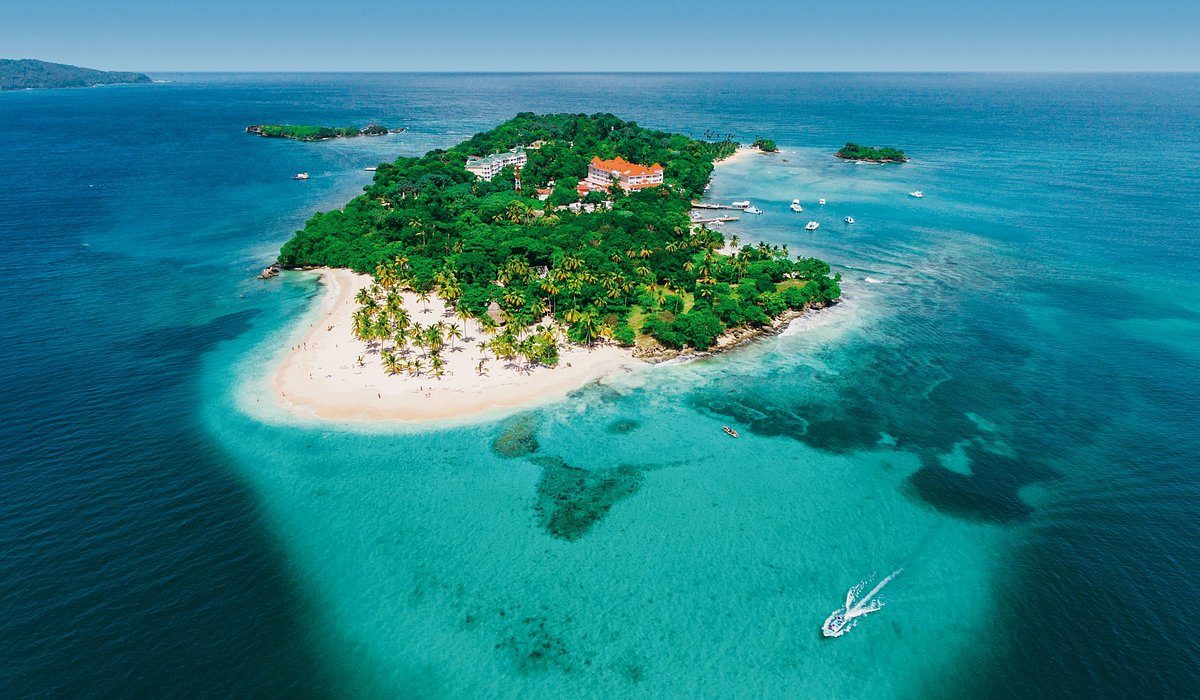
60 min drive
Located off the coast of Samaná Bay, this small island provides accessible snorkeling and beach areas accessible by boat from nearby ports.
75 min drive
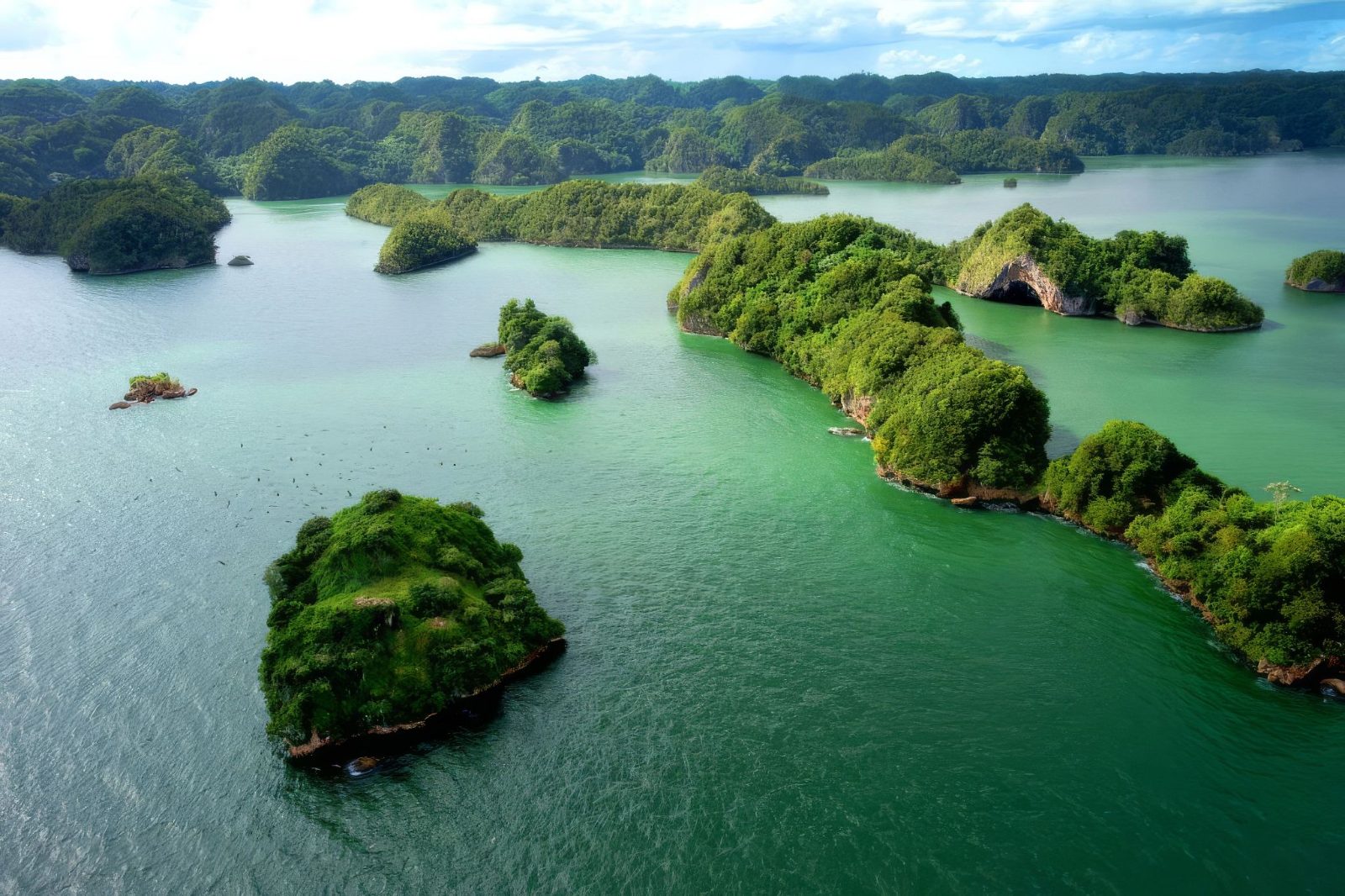
This protected area features limestone formations and mangrove forests, often visited as a day trip to observe local biodiversity.
Prepare these essentials before traveling to Las Terrenas to ensure smooth navigation and comfort on mountain roads.
Everything you need to know about how to get to las terrenas
Travelers typically take the Autopista del Nordeste to reach the region from the capital. This route offers the most direct path for those researching how to get to las terrenas by car.
Driving is generally safe provided you stay alert on winding mountain sections. Following local traffic laws ensures a smooth trip when you figure out how to get to las terrenas.
The best arrival window is 08:00–18:00 to ensure maximum visibility. Navigating the terrain during daylight hours is highly recommended for safety.
Public access is free and there is no entrance fee required for the town. You can enter the area without purchasing any tickets or permits.
Public transit options including buses operate daily to the region. Planning your route ahead of time is essential for how to get to las terrenas via bus services.
Maintain a moderate speed and watch for local motorcycle traffic on the curves. These road conditions are standard for the Samaná Province area.
The El Catey International Airport is the closest major hub for visitors. From the airport, taxis and private transfers are the most common transport modes.
Ensure your vehicle is in good condition before starting your journey. Staying aware of your surroundings makes your arrival at this Dominican Republic destination straightforward.